What Is Livestock Management?
Learn what livestock management is and how modern farms use herd management software, IoT tracking and data analytics to boost productivity and animal welfare.
What Is Livestock Management? Complete Guide to Modern Herd Management
Livestock management is the systematic practice of raising, monitoring, and optimizing domesticated animals — cattle, sheep, goats, pigs, and poultry — for agricultural production. It combines animal husbandry knowledge with structured processes covering nutrition, health monitoring, breeding, housing, and record-keeping to maximize productivity while ensuring animal welfare and economic sustainability.
But livestock management in 2026 is no longer just about traditional farming instincts. Modern farms are turning to herd management software, IoT livestock tracking, and data analytics to make faster, smarter decisions — and the results are measurable.
This guide covers everything you need to know: the core pillars of livestock management, why it matters, and how technology is reshaping what it means to run an efficient farm.
The 6 Core Pillars of Livestock Management
Effective livestock management is built on six integrated disciplines. Weakness in any one area cascades into the others — a gap in health monitoring quickly becomes a breeding problem, which becomes an economic problem.
1. Feeding & Nutrition
Nutritional requirements vary dramatically by species and production stage. Ruminants (cattle, sheep, goats) have complex digestive systems that convert fibrous forages into protein, while monogastric animals (pigs, poultry) need energy-dense, amino acid-balanced feeds.
Feed formulation directly affects growth rate, product quality, immune function, and reproductive performance. Poor nutrition is one of the leading causes of reproductive failure in ewes and cows alike. A well-designed livestock management program tracks individual or group feed intake and adjusts rations based on weight gain data and production stage.
2. Health Monitoring & Disease Prevention
Health monitoring is the foundation everything else rests on. According to research analyzing data from 180 countries, livestock disease losses represent $358.4 billion in lost production annually. Early detection is the single highest-ROI investment a farm can make.
Traditional health monitoring relies on barn walks and visual observation — which only covers daylight hours and captures problems after they are already visible. Modern livestock monitoring shows that rumination drops an average of 12–24 hours before visual signs of illness appear. Farms using continuous monitoring catch problems before they escalate into costly treatment or mortality events.
Key health management tasks include:
- Vaccination scheduling and records
- Treatment history tracking per animal
- Pregnancy monitoring and ultrasound checks
- Early disease detection via behavior and weight changes
3. Breeding & Reproduction Management
Breeding programs determine long-term herd genetics and productivity trajectory. A poorly managed breeding season in a sheep flock can set a farm back an entire production cycle. A well-managed one compounds genetic gains year over year.
For cattle, this means detecting brief estrus windows and timing artificial insemination precisely. For sheep and goat farms, it means synchronizing seasonal breeding, tracking mating history, recording which sires were used, and monitoring conception rates. For any species, pedigree tracking — knowing the family relationships between animals — prevents inbreeding and enables selection of the most productive genetics.
Livestock management software has transformed this process. Platforms that maintain digital animal cards with full pedigree trees, mating histories, and pregnancy records eliminate the errors and gaps that come with paper-based systems.
4. Housing & Environmental Control
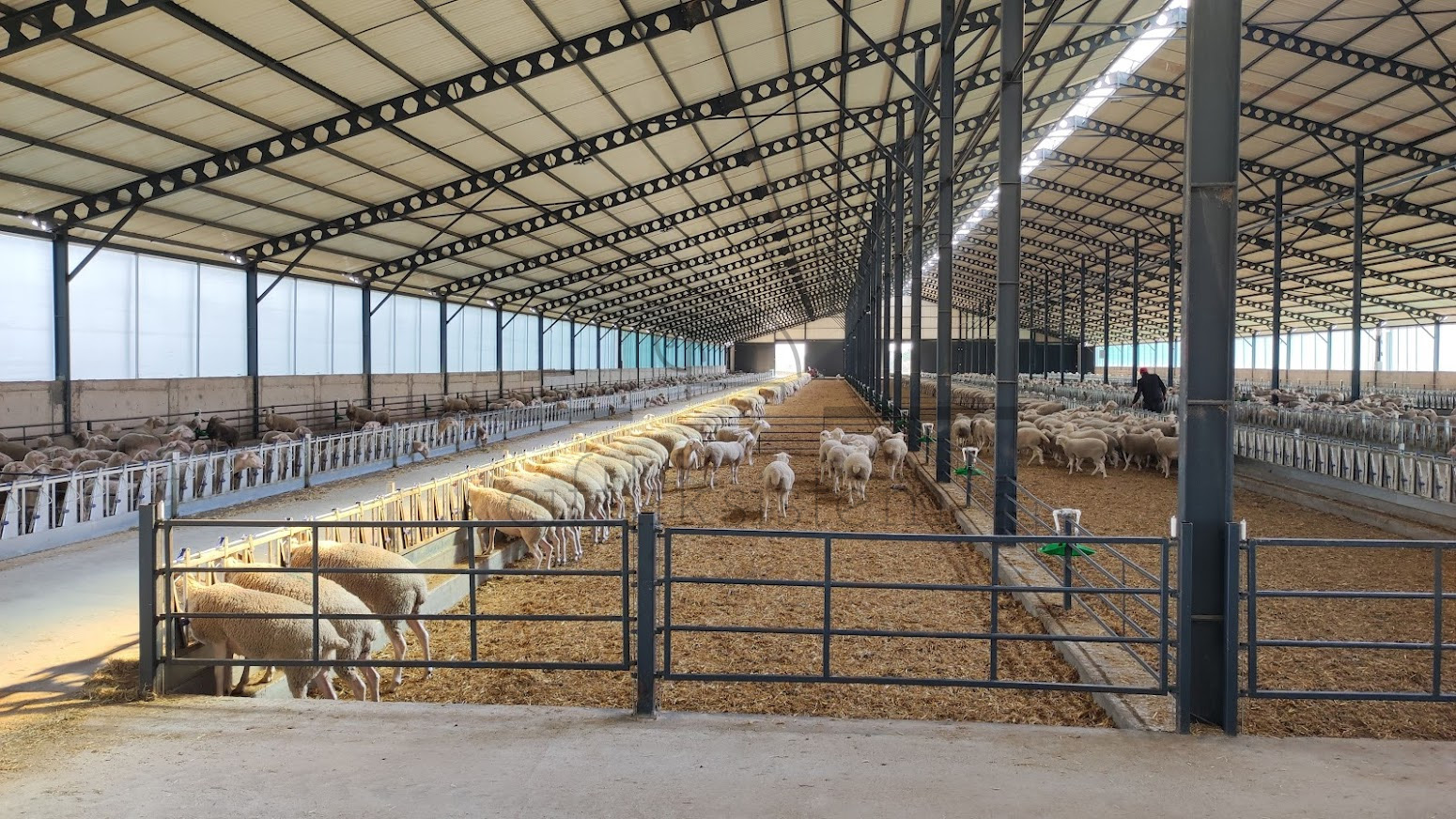
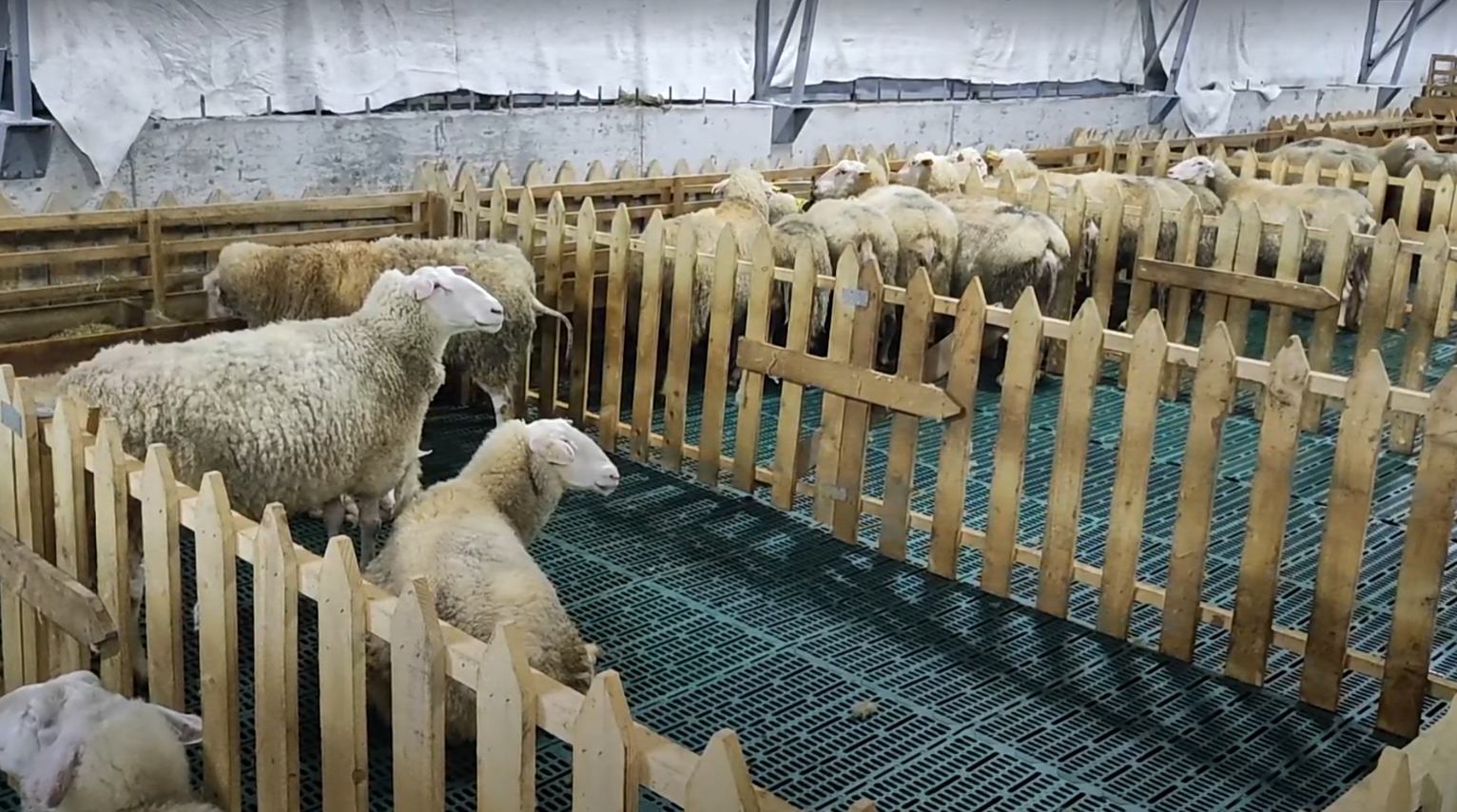
Proper housing protects animals from temperature extremes, precipitation, and predators while providing space for natural behaviors. Ventilation is critical — effective air exchange removes ammonia, controls humidity, and maintains thermal comfort.
Research shows dairy cows typically lie down for 12–13 hours per day when given adequate space and comfort. Total lying time below 10 hours per day indicates stress, which suppresses milk production and reproductive performance. Environmental management is not just an animal welfare issue — it is a productivity issue.
5. Herd Tracking & Record-Keeping
You cannot manage what you cannot measure. Complete livestock record-keeping means every animal has an individual identity, a complete health history, a weight trajectory, a production record (milk, wool, growth), and a breeding status. These records need to be accessible, accurate, and up-to-date.
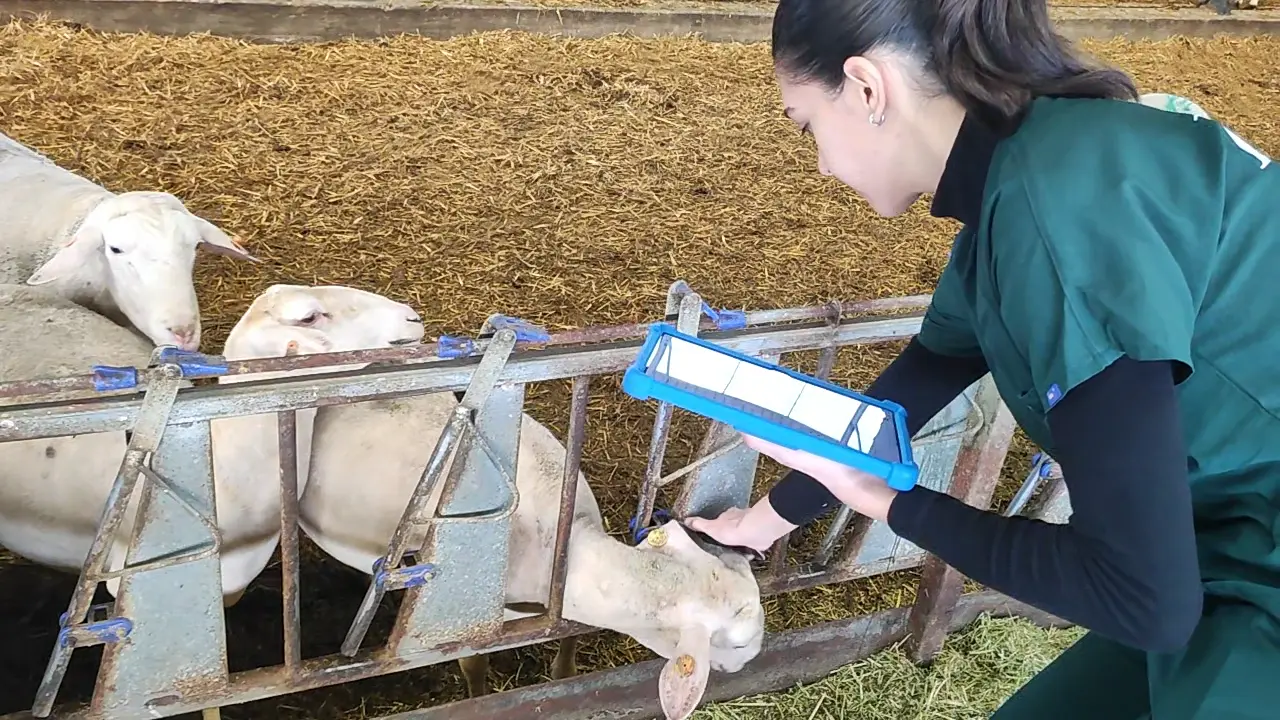
Traditional paper records and spreadsheets fail at scale. Animals get mislabeled, treatments go unrecorded, breeding dates are lost. Digital livestock tracking — using RFID ear tags combined with management software — gives each animal a permanent, searchable digital identity from birth to market.
6. Performance Analytics & Reporting
The best-managed farms do not just track — they analyze. Which ewes in your flock produce the heaviest lambs? Which cows in your dairy herd have the highest milk yield per lactation? Which paddock rotation delivers the best weight gains?
Advanced livestock management uses livestock data analytics to answer these questions systematically, not by gut feeling. Trend reports, production comparisons, and breeding outcome summaries turn raw farm data into decisions that compound over seasons and years.
Why Livestock Management Matters: The Numbers
Effective livestock management delivers measurable returns across three dimensions:
| Dimension | Impact |
|---|---|
| Economic | A 60% global vaccination rate for beef cattle correlates with a productivity rise of more than 50% — equivalent to meeting the beef consumption needs of 3.1 billion people |
| Animal Welfare | Comfortable, well-managed animals consistently outperform stressed ones across all production metrics |
| Environmental | A 10 percentage point drop in disease levels correlates with an 800 million tonne decrease in greenhouse gas emissions |
The importance of livestock management extends well beyond individual farms. Disease outbreaks trigger trade bans and market disruptions with national economic consequences. Effective farm-level management is the first line of defense.
Research also shows that scaling up existing animal health and husbandry practices means livestock could potentially serve more than 9 billion people in 2050 without increasing emissions. The economic and environmental case for better livestock management has never been stronger.
Modern Technology Transforming Livestock Management
RFID & IoT Livestock Tracking
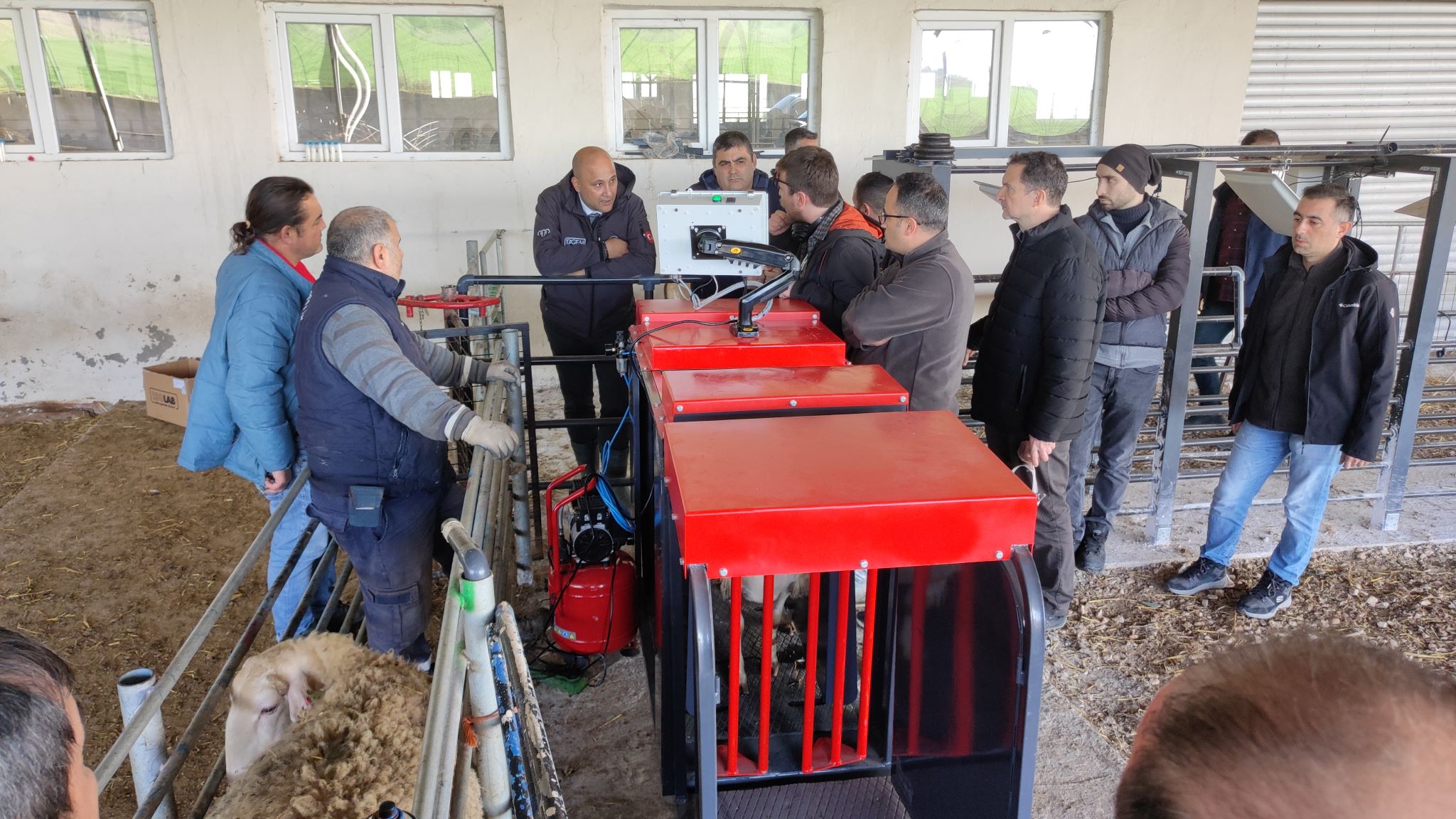
RFID (Radio Frequency Identification) ear tags are now standard in modern livestock operations. Tags store unique animal IDs readable by handheld scanners or fixed reader stations — at feeding points, weighing stations, and barn entries. Combined with IoT sensor networks, farms gain continuous visibility into animal location, activity, and behavior without constant manual observation.
Wearable sensors — collars, leg bands, and smart ear tags — monitor activity levels, rumination time, feeding behavior, and lying duration around the clock. Behavioral data is a leading indicator: changes in rumination, feeding patterns, or activity levels signal health events hours to days before clinical symptoms appear.
Healthy dairy cows typically ruminate 7–8 hours per day. Cattle spend approximately 8–9 hours per day eating and ruminating under normal conditions. Deviations from these baselines, automatically flagged by monitoring software, are among the earliest and most reliable indicators of health issues.
Livestock Management Software: The Digital Control Center
Hardware sensors collect data — but livestock management software is where that data becomes decisions. A modern herd management platform connects all livestock management pillars into one system:
- Digital animal cards — complete individual records for each animal
- Pedigree tracking — family tree relationships across generations
- Breeding & mating management — AI records, mating series, pregnancy tracking
- Health & treatment records — full history with automated reminders and alarms
- Weight & growth tracking — future weight predictions without manual weighing
- Milk and wool production records — per-animal yield data and trend reports
- Paddock & movement tracking — where animals are, how long they stay
- Advanced reporting & analytics — production performance at flock and herd level
The shift from paper records and spreadsheets to purpose-built livestock management software is one of the highest-impact changes a farm can make. Data that previously lived in notebooks — or was never captured at all — becomes searchable, analyzable, and actionable.
Livestock Management Apps: Farm Management in Your Pocket
Modern farms are run from phones. Livestock management apps let farm workers record treatments, add mating records, check animal status, and receive health alerts from anywhere on the property. Real-time data entry at the point of work — in the barn, in the paddock, at the weighing station — eliminates the transcription errors and memory failures that degrade paper-based records.
For multi-site operations, a cloud-based livestock management app means all farm data is synchronized, team members share a single source of truth, and managers can monitor operations remotely.
Precision Livestock Farming & AI
Precision livestock farming applies data analytics and machine learning to optimize individual animal treatment, feeding, and breeding decisions. Rather than managing all animals in a herd identically, precision approaches identify which animals need intervention, which are peak performers, and which should be culled — based on data, not guesswork.
AI-powered weight tracking can predict future live weight without manual weighing. Machine learning models build individual lactation curves for dairy cows, flagging deviations that predict metabolic disorders before they impact production. These capabilities, once available only to large industrial operations, are now accessible through cloud-based herd management software platforms.
Livestock Management by Animal Type
| Animal | Key Management Focus |
|---|---|
| Dairy Cattle | Milk yield tracking, estrus detection, calving records, udder health, daily weight gains |
| Beef Cattle | Growth rate, feed conversion, weight predictions, paddock rotations, market timing |
| Sheep | Lambing records, mating management, pedigree tracking, wool yield, parasite control |
| Goats | Breeding cycles, kidding records, milk production, sponging protocols |
| Pigs | 21-day breeding cycles, litter size, feed behavior monitoring, housing hygiene |
| Poultry | Environmental monitoring, egg production records, feed automation |
Sheep and goat farm management — often called small ruminant management — has historically been underserved by livestock technology. Many platforms are designed for dairy cattle and awkwardly stretched to cover other species. Purpose-built sheep management software addresses species-specific workflows: synchronized breeding programs, ultrasound pregnancy checks, sponging protocols, lambing records, and wool shearing data — in a system designed from the ground up for small ruminants.
Getting Started with Modern Livestock Management
Transitioning from traditional to data-driven livestock management does not require replacing everything at once. Start with the highest-impact gap in your current operation:
- No animal ID system? Implement RFID ear tagging and a basic digital animal record system first.
- Struggling with breeding records? A livestock management platform with pedigree and mating tracking will deliver immediate returns.
- Health events catching you off-guard? Focus on treatment record digitization and automated alarm systems.
- Production plateauing? Use analytics reporting to identify your top and bottom performers — the data usually reveals clear action items.
- Managing multiple people or sites? A cloud-based livestock management app ensures your whole team works from a single source of truth.
roswise® offers purpose-built livestock management software for both cattle operations (roswise® bovix — dairy and beef cattle) and sheep and goat farms (roswise® ovinia — small ruminants). With 828 active farms and 124,159 animals tracked, the platform is built for real farm workflows: RFID integration, pedigree tracking, mating management, health records, weight prediction, and production analytics — all in one system.
Conclusion
Livestock management is not a single task — it is an integrated system of practices that, when working together, compounds into measurably better production, healthier animals, and a more sustainable operation.
Research consistently shows that farms embracing precision livestock farming — combining solid animal husbandry knowledge with modern herd management software and IoT tracking — achieve significantly better outcomes than those relying on traditional methods alone.
The technology barrier to entry has dropped dramatically. Cloud-based livestock management platforms, affordable RFID tracking, and mobile-first livestock management apps have made data-driven herd management accessible to farms of all sizes. The farms that adopt these practices now will have a compounding advantage over the next decade.
Last updated: February 2026